In today’s highly competitive retail market, product quality and pricing alone are no longer enough to ensure success. What truly differentiates a brand is the experience it offers to customers. Store interior design plays a crucial role in shaping this experience. A well designed retail space can build trust, enhance brand identity, and significantly influence purchasing decisions.
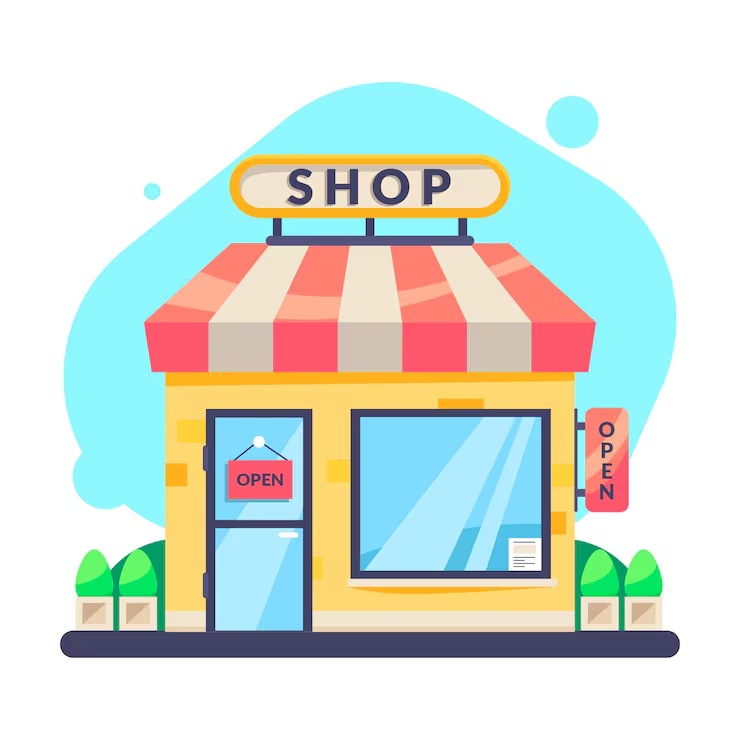
What Is Store Interior Design?
Store interior design includes space planning, color selection, lighting, product layout, materials, textures, and even sensory elements such as music and scent. All these components must work together harmoniously to communicate the brand’s message and create a memorable shopping experience.
The Relationship Between Interior Design and Branding
Branding is the perception that forms in a customer’s mind about a business. Store design is one of the fastest and most powerful ways to communicate this perception. From the moment customers enter a store, they subconsciously judge the brand based on the environment. A space that aligns with brand identity leaves a strong and lasting impression.
The Role of Colors in Brand Identity
Colors have a significant psychological impact on customers and play an essential role in branding:
- Warm colors like red and orange evoke energy and excitement.
- Cool colors such as blue and green convey calmness and trust.
- Neutral colors like white, gray, and beige represent minimalism, elegance, and modernity. Choosing the right color palette helps convey brand values without words.

Lighting and Brand Perception
Proper lighting highlights products and enhances the overall atmosphere of the store. Bright, clear lighting creates a professional and premium feel, while soft, warm lighting adds comfort and intimacy. Strategic lighting design improves the customer experience and strengthens brand recognition.
Store Layout and Customer Behavior
A smart store layout guides customers through the space and encourages them to explore more products. Interior design based on consumer behavior increases the time customers spend in the store and boosts the likelihood of purchase. This organized and thoughtful environment reflects a trustworthy and professional brand image.
Creating an Emotional Brand Experience
One of the main goals of branding is to build an emotional connection with customers. Unique interior elements, creative details, and a consistent design style help create a memorable experience. When customers emotionally connect with a space, they are more likely to remember the brand and return.

Impact of Store Design on Sales Growth
Studies show that professional store interior design can significantly increase sales. Customers feel more comfortable and confident in visually appealing environments, leading to faster purchasing decisions and higher satisfaction. A positive shopping experience also encourages brand loyalty.
Conclusion
Store interior design is not just about aesthetics; it is a powerful branding and marketing tool. A thoughtfully designed retail space aligned with brand identity strengthens brand image, increases sales, and differentiates a business in a competitive market. Investing in store interior design is, ultimately, an investment in the long-term success of a brand.